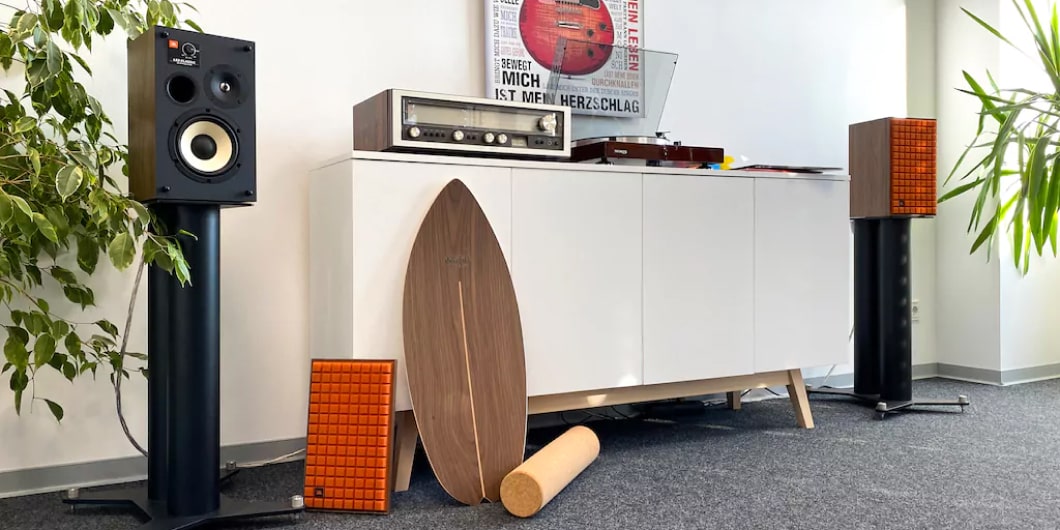

How to choose a HI-FI stereo system

Choosing a Hi-Fi stereo system is more than just a purchase—it’s an investment in how you experience your favorite music. Whether you are a vinyl enthusiast or a high-res streaming aficionado, the right setup can transform your living room into a private concert hall.
This guide will walk you through the essential steps to choosing the perfect Hi-Fi system for your home, ensuring you get the best performance for your budget.

1. Define Your Listening Style and Source
Before looking at hardware, ask yourself: How do I listen to music?
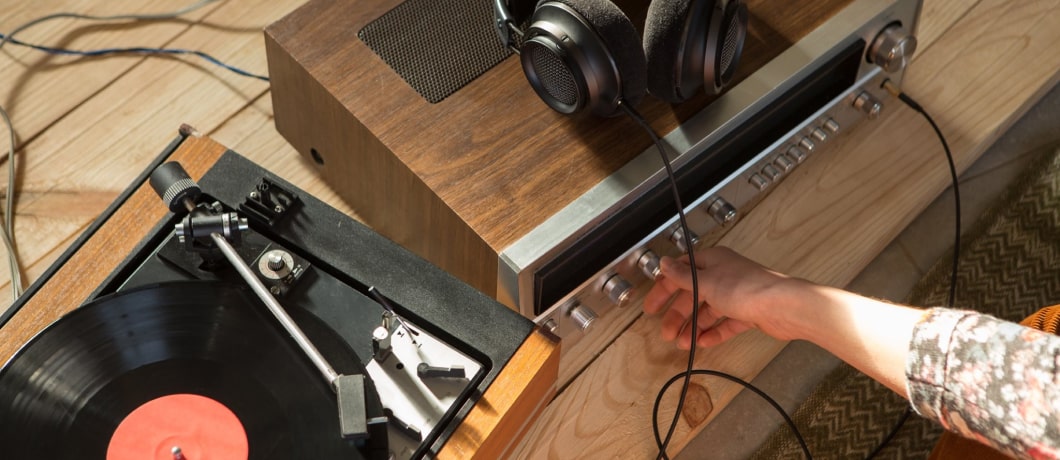
The Analog Lover: If you have a growing record collection, prioritize a high-quality turntable and an amplifier with a dedicated Phono input.
The Digital Streamer: If you use Spotify, Tidal, or Apple Music, look for an Integrated Amplifier with built-in Wi-Fi, Bluetooth (aptX HD), or a high-quality DAC (Digital-to-Analog Converter).
The Physical Media Fan: Don't forget a dedicated CD Player if you still value the clarity and tangibility of discs.
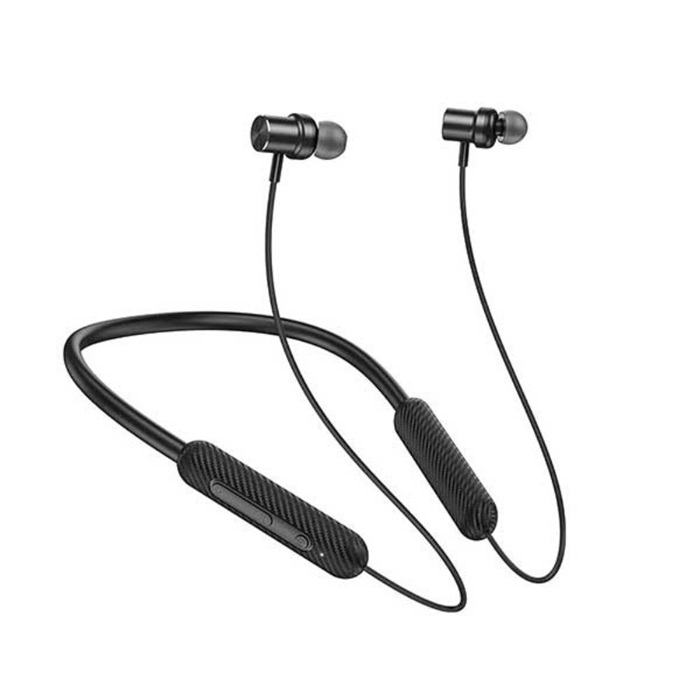
Hoco ES70 Armour Neck-Mounted BT Earphones
In stock
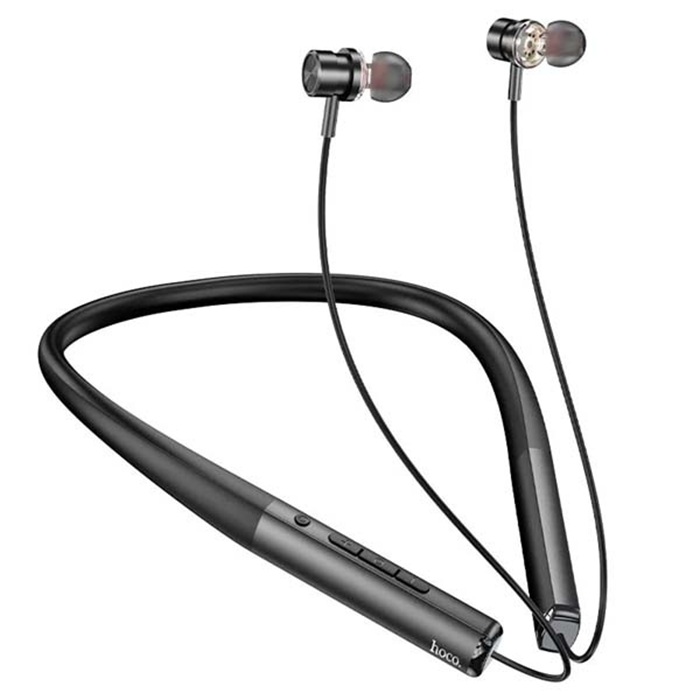
Hoco ES71 Bluetooth Wireless Neckband
In stock
2. Choose the Right Speakers for Your Space
Your speakers are the most critical part of the "sound signature." The size of your room dictates the type of speaker you need:
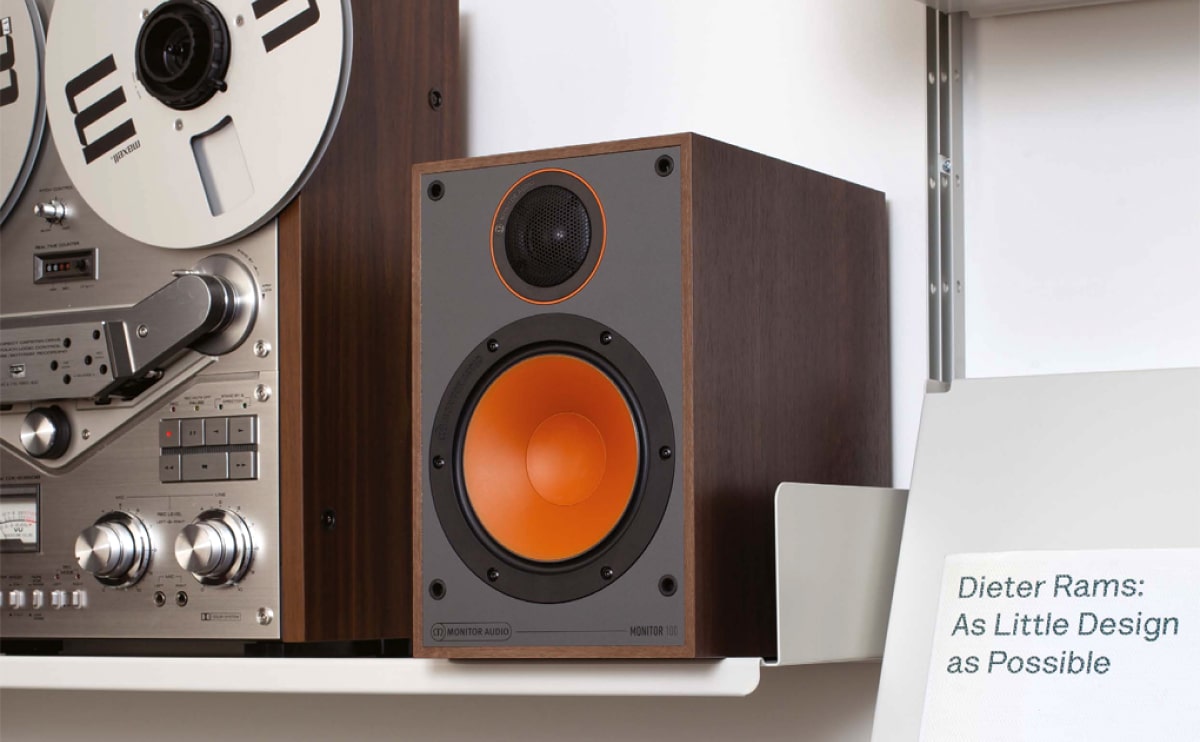
Bookshelf Speakers: Ideal for small to medium rooms. They offer incredible detail and imaging. For the best results, place them on dedicated speaker stands to reduce vibration.
Floorstanding Speakers: Perfect for larger open-plan spaces. These provide a fuller sound and deeper bass without the need for an external subwoofer.
Active vs. Passive: Passive speakers (the traditional choice) require an external amplifier. Active speakers have the amp built-in, offering a "plug-and-play" solution that saves space.
3. Matching the Amplifier (The "Muscle")
The amplifier’s job is to take the signal from your source and power your speakers. To ensure compatibility, check these two specs:
Impedance (Ohms): Most speakers are rated at 4 or 8 ohms. Ensure your amplifier is rated to handle the impedance of your chosen speakers.
Power Output (Watts): You don't need 1000W for a living room. A high-quality 40W–80W amplifier is usually more than enough for home use, provided the "current" is stable.
Pro Tip: Look for an Integrated Amplifier. These combine a pre-amp and power amp into one box, making them the most cost-effective and space-saving choice for most home setups.

4. Don’t Forget the "Hidden" Essentials
A Hi-Fi system is only as strong as its weakest link. Budget roughly 10-15% of your total cost for accessories:
Cables & Interconnects: High-quality speaker wire prevents signal loss.
Acoustics: Soft furnishings like rugs and curtains can significantly improve sound by reducing "echo" or reflections.
Isolation: Using isolation pads under your speakers or turntable can clarify the sound by removing unwanted mechanical vibrations.
Hoco ES70 Armour Neck-Mounted BT Earphones
In stock
Hoco ES71 Bluetooth Wireless Neckband
In stock

Hoco ES70 Armour Neck-Mounted BT Earphones
In stock
Hoco ES71 Bluetooth Wireless Neckband
In stock
5. The Golden Rule: Trust Your Ears
Specs and reviews are helpful, but sound is subjective. Some people prefer a "Warm" sound (smooth and bass-heavy), while others prefer "Analytical" or "Bright" sound (sharp, detailed highs).
Neil Young
“One of the most important jobs of any musician is to provide quality sound to the people. It's the difference between a true reflection of the music and a mere replica.”
Hi-Fi Shopping Checklist
| Component | What to Look For |
| Speakers | Sensitivity (87dB+ is easier to drive), Size vs. Room |
| Amplifier | Inputs (Optical, Phono, Bluetooth), Impedance match |
| Source | Turntable, Network Streamer, or CD Player |
| Cables | Pure copper (OFC) speaker wire |
Ready to Build Your Dream Setup?
Building a Hi-Fi system is a journey. Start with a solid pair of speakers and a versatile amplifier, and you can always upgrade your sources or add a subwoofer later.